

You don’t need to overdo the alcohol to have a good time
Whether you’re cutting back or going completely sober, small changes can make a big difference. Many people in Sandwell are choosing to #PauseBeforeYouPour and enjoying more memorable nights and brighter mornings.
Going sober or drinking less can help you feel more present, connected, and in control of what matters most. And if you need support to make a change, we’re here to help.
Ready to Pause Before You Pour? Top Tips to Help You Out
Start Small and Experiment
You don’t have to quit alcohol completely overnight. Try swapping one or two drinks a week for non-alcoholic options, or take a few alcohol-free days to see how it feels. This low-pressure approach helps you discover what works best for you.
Find Drinks You Actually Enjoy
Explore the growing range of alcohol-free beers, wines, and cocktails. Having tasty alternatives on hand makes socialising easier and keeps the experience fun. Sparkling water with fresh fruit or herbal teas can be great too!
Have a look at these videos to make some tasty mocktails!
Plan Activities That Don’t Revolve Around Drinking
Try meeting friends for a walk, a coffee, a movie, or a fitness class instead of always heading to the pub. This helps shift your focus and build social connections that don’t depend on alcohol.
Be Honest With Your Friends and Family
Let people know you’re trying something different. True friends will support you, and sharing your goals can make social situations less stressful.
Use Support and Resources When You Need Them
It’s okay to ask for help. There is free, confidential support to help you cut down or stop drinking if you want to. You can find support and resources below.
Alcohol Services in Sandwell
Services Offered:
- Advice and information
- One-to-one sessions or groupwork
- Support with accessing services: housing, employment, benefits advice and health services
- Peer support and mutual aid
- Family and carer support
- Safe reduction planning
Providers: Cranstoun and DECCA


A unit is a standardised measure that indicates the amount of pure alcohol in a drink.
Each unit is equivalent to 10ml or 8mg of pure alcohol.
By keeping track of your units, you gain insight into your drinking habits and can make informed decisions to minimise associated risks.
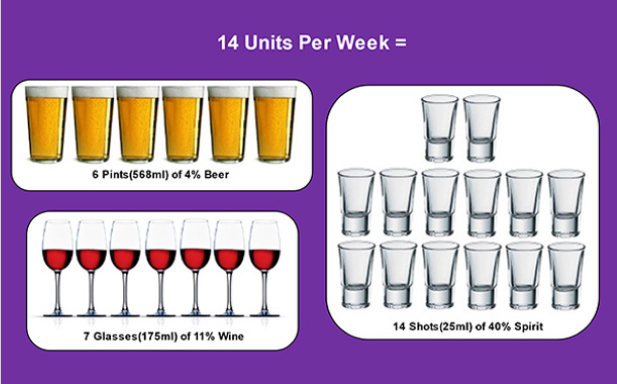
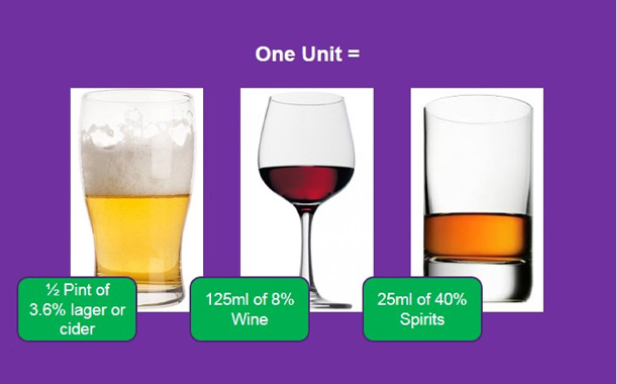
It is suggested that adults, both men and women, should aim to stay within a weekly limit of 14 units. Having this amount over three or more days helps you control your alcohol intake.
To put it into perspective, 14 units roughly translates to about 6 pints of 4% beer or 6 glasses of 13% wine.
Use the Alcohol Change Unit Calculator or Cranstoun’s Alcohol Audit Tool to check your drinking habits. You’ll be able to see if they are affecting your health.
Drinking more than 14 units a week can increase your risk of certain health conditions.
These include:
- mouth, throat, stomach, and breast cancer
- liver disease
- depression
Tips for Reducing your Drinking
Avoid Binge Drinking.
Binge drinking is defined as consuming 8 units for men or 6 units for women or more in a single session. It poses significant risks to your health.
Pace Yourself.
Slow down your alcohol intake and mix alcoholic drinks with non-alcoholic alternatives.
Adhere to Unit Guidelines.
Spread your drinking across three or more days per week, and have alcohol free days between them.
Even if you don’t exceed the unit guidelines, cutting down what you drink reduces the health risks.
You could try:
- Choose Lower % Drinks. Check the alcohol content (ABV) on the bottle or can.
- Have Smaller Servings: Swap a pint for a bottle or a double for a single serving.
- Explore Alcohol-Free Alternatives: Embrace the growing variety of alcohol-free alternatives available.
Here’s some helpful tools and resources:
When to seek professional advice
If you experience withdrawal symptoms when not drinking alcohol, it may be a sign you are dependent. It’s important you don’t quit drinking abruptly. Seek professional advice for personalised guidance. Learn more about alcohol withdrawal symptoms here.
Before Pregnancy:
If you are trying to get pregnant, both you and your partner should avoid alcohol.
During Pregnancy:
When you drink during pregnancy, it travels from your bloodstream through the placenta to your baby.
Since a baby’s liver is still developing, exposure to alcohol has huge impacts on their growth.
Drinking increases the risk of miscarriage, premature birth, and may lead to long-term issues.
Heavy drinking can result in Foetal Alcohol Syndrome (FAS), causing poor growth, facial abnormalities, and developmental challenges.
After Pregnancy:
If breastfeeding, be mindful that alcohol in your system can pass to your baby through milk. Their underdeveloped liver struggles to process alcohol, potentially causing health problems. Even if not breastfeeding, moderation is key when your baby is small.
If you’re seeking support to give up alcohol during pregnancy, local services are available. You can contact Healthy Sandwell, or speak to your midwife or GP.
If you’re concerned about a friend or family member’s drug or alcohol use, you’re not alone. Remember, expressing your concern comes from a place of care and understanding.
How to talk about alcohol:
Prepare for the conversation:
- Choose an appropriate time and place. Avoid times when they will be drinking and make sure you have a private space to talk.
Start the Conversation:
Use “I” statements to express your worries and feelings.
- “I’m concerned as we’ve noticed you’ve had a few hangovers lately, and we miss our family time together.”
- “I’ve noticed you don’t seem like yourself, and I’m worried about you.”
Ask Open-Ended Questions:
- “How do you feel about your drinking?”
- “What are some positives and negatives you see in drinking?”
Listen:
- Allow them to express themselves without judgment. Be attentive to underlying issues such as depression or trauma.
Be Paitent:
- Recognise that discussions on this topic may evoke defensiveness. Assure them of your support and give them time to process the conversation.
Get Help:
- Suggest seeking professional help. Ask, “Do we need to get some help with this?”
Taking Care of Yourself
Before you can effectively support someone else, it’s crucial to care for your well-being. Helping others can be emotionally draining, and these organisations can offer support:
Adfam: A national charity dedicated to improving the lives of families affected by drugs and alcohol.
Al-Anon Family Groups: Provides support to those affected by someone else’s drinking.
Cranstoun: Offers advice and support to adults affected by someone else’s alcohol use.